6 min read
2024-11-15
Keeping Your Aromatics Fresh - How to Properly Store Essential Oils
Written By: Robin Lander
Light. Heat. Oxygen. It all sounds perfect for a day of outdoor adventure, right? But these are the last things you want for your oils and aromatic materials. All organic matter from living things is subject to chemical degradation. With aromatics being composed of some of the smallest, most volatile molecules on earth, they are particularly susceptible. With a little knowledge of proper handling and storage, you can help maintain the freshness and safety of your aromatic collection.
How to Maximize Shelf Life
The freshness or ‘shelf life’ of natural and essential oils is not easy to pinpoint or generalize. This is because shelf life is influenced by several factors including the type of plant, chemical constituents in the oil, extraction method, and perhaps the most critical of all, handling and storage.
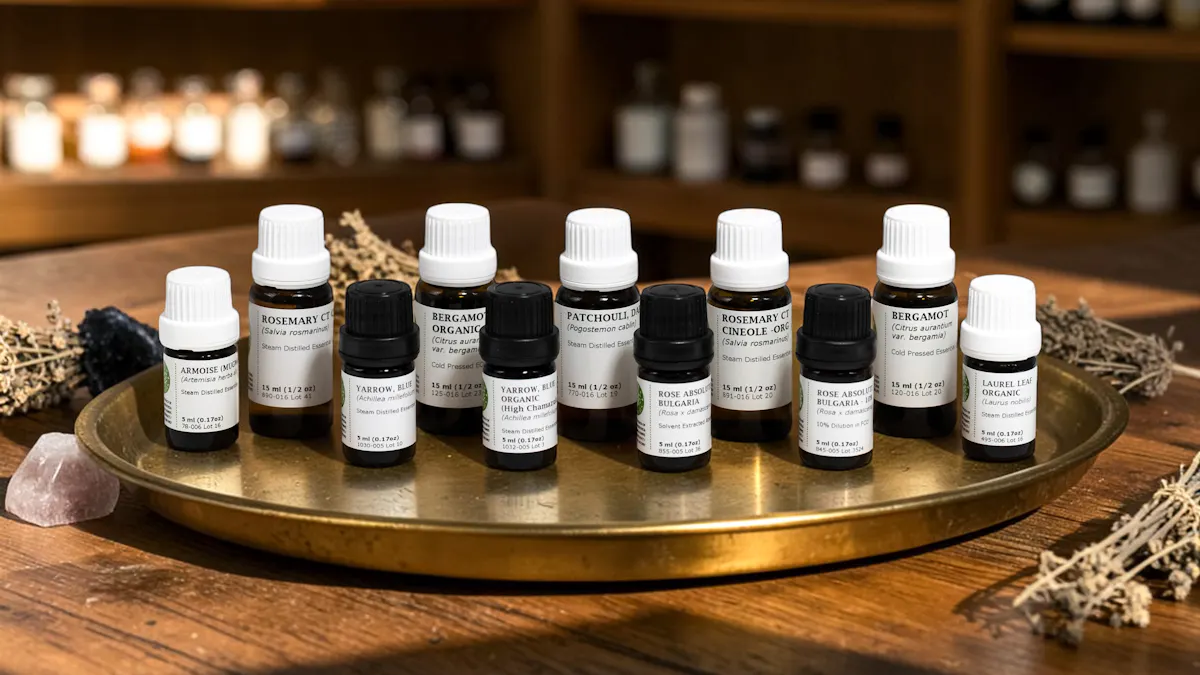
All oils and aromatic materials should be stored in dark, cool conditions (65-70° Fahrenheit or less), away from direct sunlight and heat sources, and preferably in dark glass or stainless steel bottles. It is important for containers to have a tight-fitting lid with as little air space as possible inside the container. The fuller the container, the less oxygen inside to contribute to oxidation and degradation.
Stored under these ideal conditions, we recommend the following approximate shelf life time frames:
Suggested ‘Best By’ Dates
Because of storage and other variables, there are no hard expiration dates for essential oils. However, properly handled and stored oils will have a suggested ‘best by’ date based on their chemical profile, extraction method, and manufacturing date.
You can find the manufacturing date and suggested best by date for each material on the product Certificate of Analysis (COA). COAs are listed by lot and are viewable and downloadable from the drop-down menu on the left side of each product page.
Refrigerate to Extend Freshness
Refrigeration is not necessary for most oils, unless the temperature of the environment they are kept in is higher than 65-70° F. However, some essential oils high in smaller monoterpene molecules (like citrus and needle oils) can be more prone to oxidation. When these monoterpenes oxidize, not only will they lose some of their aroma and benefits, but they can become skin irritants that may cause painful skin reactions.
You can find storage recommendations and safety precautions for each material under the Safety Considerations drop-down menu on the left side of the product page.
To slow oxidation and extend freshness, it is advised to keep the following oils and aromatic materials refrigerated:
The following oils may cause skin sensitization if oxidized and may be refrigerated if desired to help extend freshness:
If you wish to keep your oils cool, find a dry spot in your refrigerator and store them tightly capped in a closed bin to keep light, oxygen, humidity and other odors from damaging them. If you must purchase large volumes of oils that won't be used in a reasonable time frame, decant what you might need for a month into a smaller bottle and store the remainder in the refrigerator, or a cool, dark closet. Transfer remaining oil to a smaller bottle if necessary to reduce air space in the bottle. The less exposure to oxygen, the better, and keep in mind that repeated bottle openings will speed oxidation.
Aging Gracefully
Perhaps you’ve heard of vintage Patchouli or Sandalwood? When properly stored, the aroma of some oils can improve with age, becoming deeper, rounder and more refined. These include: Agarwood, Amyris, Myrrh, Patchouli, Sandalwood, and Vetiver.
Some people purchase a quantity of these oils simply to put away in dark, cool storage for 5 years or more! These aged oils are often sought out by perfumers who enjoy the rich complexity that develops over time. Because their benefits can also change, aged oils are best used in natural perfumery and spiritual/ritual use while fresh, more recently extracted oils are recommended for aromatherapy and cosmetics.
Signs of Degradation
It’s a sad fact, but all oils will oxidize and degrade eventually. Some signs that an oil may no longer be fresh are:
Not all of these are reliable indicators, however. Check the date you first opened the oil (it’s helpful to write the date on the bottle!) and consider how it was stored and how often you opened it.
Some oils like Vetiver and Myrrh may thicken a bit with age and still be fresh, and it’s also normal for some oils to become crystallized, turbid or cloudy when cold. If you aren’t sure, check the ‘Appearance’ section on the product page and the ‘Physical Appearance’ section of the product COA for helpful tips.
Disposing of Oils
If you see or smell signs of degradation and/or your oil is well past the best by date, avoid using it for topical and cosmetic purposes. Here are some ways to use it up or dispose of it:
For larger quantities of oils or several small bottles, check with your local disposal municipality or waste collector to find out if they offer an eco-friendly way to dispose of them, or a free Household Hazardous Waste drop off location.
More Questions About Handling and Storing Essential Oils?
Contact us and we are happy to help.