Solubility & Blending Suggestions

  • Dilute and add drop by drop to your blends until the desired effect is achieved.
  • Soluble in alcohol and fixed (carrier) oils.
  • “Petitgrain sur Fleurs is used in perfumery in the more costly duplications of true Neroli oil, in fine citrus colognes, in numerous floral bases, and in light aldehydic perfume types, etc.”*
  • *Arctander, Steffen. Perfume and Flavor Materials of Natural Origin, 1960, p. 527.

    Suggested Resources

    • Advanced Aromatherapy, Kurt Schnaubelt, 1995, p. 61.
    • Aromatherapy: Scent and Psyche, Peter and Kate Damien, 1995, pp. 201-2, 221.
    • The Encyclopedia of Essential Oils, Julia Lawless, 2013, p. 163.
    • Essential Oils - A Handbook for Aromatherapy Practice, Jennifer Peace Rhind, 2012, pp. 89, 206-11.
    • Aromatherapeutic Blending: Essential Oils in Synergy, Jennifer Peace Rhind, 2016, p. 268.

    Petitgrain sur Fleurs EO

    Citrus aurantium var. amara L. (synonym of Citrus x aurantium L.)

    (1)

    SKU 814-G sizes:

    Sample 1 ml (1/30 oz)
    $3.00
    15 ml (1/2 oz)
    $10.50
    30 ml (1 oz)
    $17.00
    59.14 ml (2 oz)
    $29.50
    118.29 ml (4 oz)
    $52.50
    236.58 ml (8 oz)
    $93.50
    473.17 ml (16 oz)
    $169.00
    1 kg (2 1/5 lb)
    $365.50

    Contact us for bulk inquiries.

    Botanical NameCitrus aurantium var. amara L. (synonym of Citrus x aurantium L.)
    Suggested UseAromatherapy, Perfumery, Cosmetics, Soapmaking, Candle Crafting
    INCI NameCitrus Aurantium Amara Twig/Leaf (Petitgrain) Oil
    CAS Number68916-04-1
    OriginEgypt
    Extraction MethodSteam Distilled
    CultivationConventional
    Plant Partflower, leaves.
    Notetop, middle.
    Aroma Familycitrus, floral.
    Aroma ProfileDistinct, fresh, green floral, linalyl acetate-like, somewhat sharp, terpene-like aroma with a soft, sweet-woody, tenacious undertone.
    AppearanceColorless, transparent, mobile liquid.
    Shipping Restriction9 – Misc. Hazard

    Safety Considerations

    • None known.*
    • Dilute before using. A patch test should be performed before use for those with sensitive skin.
    • Refrigerate to preserve freshness.
    • *Tisserand, Robert and Rodney Young. Essential Oil Safety, 2nd ed., 2014, p. 375.

    Petitgrain sur Fleurs EO

    Citrus aurantium var. amara L. (synonym of Citrus x aurantium L.)

    (1)

    Our Petitgrain sur Fleurs essential oil has a distinct, fresh, green floral, linalyl acetate-like, somewhat sharp, terpene-like aroma with a soft, sweet-woody, tenacious undertone. This oil is also called Petitgrain Neroli in the States, but the true designation is Petitgrain sur Fleurs,

    Size

    Selected size SKU:814-016 - Petitgrain sur Fleurs - Conventional 15 ml (1/2 oz) (w/ orifice reducer)

    Sample 1 ml (1/30 oz)
    $3.00
    15 ml (1/2 oz)
    $10.50
    with orifice reducer
    30 ml (1 oz)
    $17.00
    59.14 ml (2 oz)
    $29.50
    118.29 ml (4 oz)
    $52.50
    236.58 ml (8 oz)
    $93.50
    473.17 ml (16 oz)
    $169.00
    1 kg (2 1/5 lb)
    $365.50
    $3.00
    Details
    Solubility & Blending Suggestions
    Suggested Resources
    Safety Considerations
    Certificates of Analysis (COA)
    Documentation

    Product Overview

    Our Petitgrain sur Fleurs essential oil has a distinct, fresh, green floral, linalyl acetate-like, somewhat sharp, terpene-like aroma with a soft, sweet-woody, tenacious undertone. This oil is also called Petitgrain Neroli in the States, but the true designation is Petitgrain sur Fleurs, meaning ‘Petitgrain over flowers’. It is produced from the leaves and twigs that are separated from the blossoms both during the height of Neroli season and at its close when many blossoms remain on the tree. It is these 'yearling' leaves along with the remaining blossoms that impart the softer, more floral character to this Petitgrain oil.[1] There are only a select few distillers making this oil and we are delighted to find it available!

    Petitgrain sur Fleurs is one of the better known co-distillations with plant material sourced from the same type of tree, Citrus aurantium var. amara.[2] This specific evergreen tree also provides five other oils; from the blossoms: steamed distilled Neroli and solvent extracted Orange Blossom Absolute; from the leaves: solvent extracted Petitgrain Absolute; from the leaves and twigs: steam distilled Petitgrain Bigarade; and expressed from the fruit peels: Bitter Orange oil.

    Since the 1860s when nearly all citrus orchards, except for Bitter Orange trees, were destroyed due to root rot and gum disease, it has been the practice to use the highly resistant root stock of this specific citrus, Citrus aurantium var. amara, to propagate Lemon, Sweet Orange, Mandarin, Grapefruit, and Bergamot trees.[3]

    Petitgrain has been called “poor man’s Neroli” as it is less expensive than Neroli essential oil yet offers many of the same benefits and uses. Due to its high linalyl acetate content, the aroma of Petitgrain is often used in calming massage blends, nighttime sprays and diffuser blends, after-shaves, and preparations for oily and congested skin.

    1 Industry communication.

    2 Arctander, Steffen. Perfume and Flavor Materials of Natural Origin, 1960, p. 526.

    3 Guenther, Ernest. The Essential Oils, Vol. III, 1949, pp. 89, 228.
    Product Overview

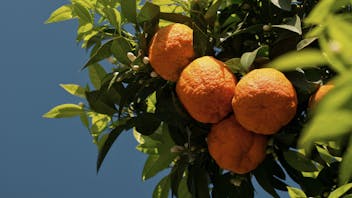
    Our Petitgrain sur Fleurs essential oil has a distinct, fresh, green floral, linalyl acetate-like, somewhat sharp, terpene-like aroma with a soft, sweet-woody, tenacious undertone. This oil is also called Petitgrain Neroli in the States, but the true designation is Petitgrain sur Fleurs, meaning ‘Petitgrain over flowers’. It is produced from the leaves and twigs that are separated from the blossoms both during the height of Neroli season and at its close when many blossoms remain on the tree. It is these 'yearling' leaves along with the remaining blossoms that impart the softer, more floral character to this Petitgrain oil.[1] There are only a select few distillers making this oil and we are delighted to find it available!

    Petitgrain sur Fleurs is one of the better known co-distillations with plant material sourced from the same type of tree, Citrus aurantium var. amara.[2] This specific evergreen tree also provides five other oils; from the blossoms: steamed distilled Neroli and solvent extracted Orange Blossom Absolute; from the leaves: solvent extracted Petitgrain Absolute; from the leaves and twigs: steam distilled Petitgrain Bigarade; and expressed from the fruit peels: Bitter Orange oil.

    Since the 1860s when nearly all citrus orchards, except for Bitter Orange trees, were destroyed due to root rot and gum disease, it has been the practice to use the highly resistant root stock of this specific citrus, Citrus aurantium var. amara, to propagate Lemon, Sweet Orange, Mandarin, Grapefruit, and Bergamot trees.[3]

    Petitgrain has been called “poor man’s Neroli” as it is less expensive than Neroli essential oil yet offers many of the same benefits and uses. Due to its high linalyl acetate content, the aroma of Petitgrain is often used in calming massage blends, nighttime sprays and diffuser blends, after-shaves, and preparations for oily and congested skin.

    1 Industry communication.

    2 Arctander, Steffen. Perfume and Flavor Materials of Natural Origin, 1960, p. 526.

    3 Guenther, Ernest. The Essential Oils, Vol. III, 1949, pp. 89, 228.
    logo

    2025-09-05

    Bountiful, Aromatic Bitter Orange – A Formulator’s Guide

    The fragrant Bitter Orange tree, Citrus aurantium var. amara, has inspired both poetry and perfume for centuries. From ancient Chinese texts and Middle Eastern gardens to medieval verse and royal devotion, this extraordinary evergreen...

    logo

    2025-05-23

    Pretty Petitgrain – Leafy Green, Citrus and Floral in One

    The aroma of our new Petitgrain Bigarade, Paraguay – Organic fills the spirit like a calming ray of sunshine! Steam distilled from the leaves and twigs of the bitter orange tree, the name Petitgrain comes from the French word for ‘little berry,’

    logo

    2026-03-27

    Why You Need Mushroom in Your Perfume

    There’s a dirty little secret known to experienced perfumers: the most intriguing fragrances always contain something a little ‘off.’ Historically, formulators used animal-derived aromas like ambergris, civet, and castoreum, now mostly replaced by synthetic versions. But perfumers still rely on the funky facets in botanicals...