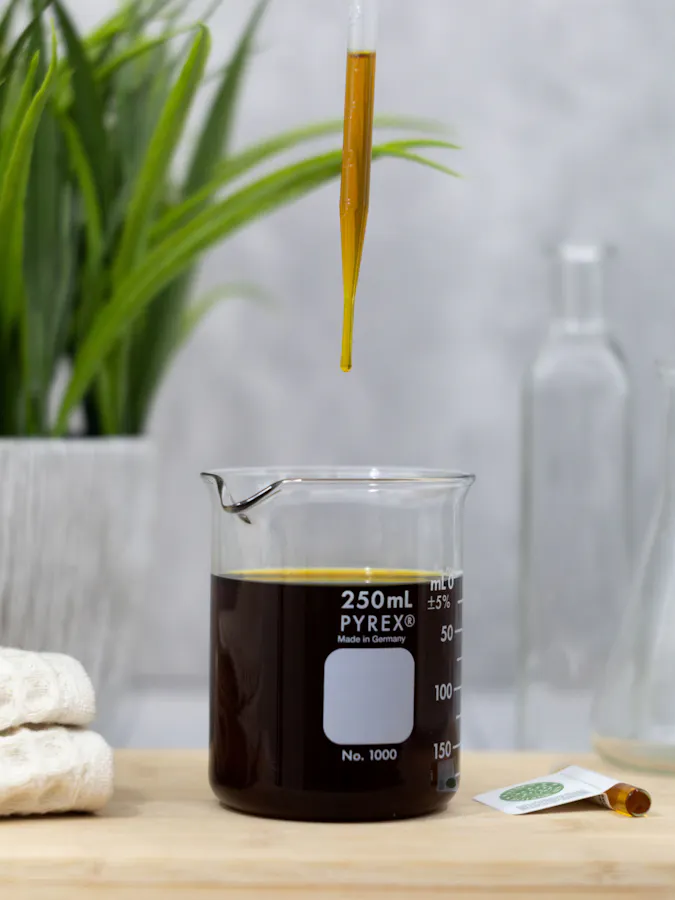
Solubility & Blending Suggestions

  • Dilute before use and add drop by drop to your blends until the desired effect is achieved.
  • Soluble in alcohol and soluble in fixed (carrier) oils; not soluble in water.  
  • Bitter Orange has "a different type of freshness, a peculiar floral undertone which occasionally shows indolic notes, and a comparatively good tenacity."* "More interesting and tenacious than Sweet Orange."**
  • *Arctander, Steffen. Perfume and Flavor Materials of Natural Origin, 1960, p. 480.

    **Lawless, Alec. Artisan Perfumery or Being Led by the Nose, 2009, p. 66.

    Suggested Resources

    • Essential Oils – A Handbook for Aromatherapy Practice, Jennifer Peace Rhind, 2012, pp. 206-7, 216-7, 291.
    • Aromatherapeutic Blending – Essential Oils in Synergy, Jennifer Peace Rhind, 2016, pp. 102, 255.
    • Aromatherapy Workbook, Marcel Lavabre, 1990, pp. 87, 89.
    • The Encyclopedia of Essential Oils, Julia Lawless, 2013, pp. 151-2.
    • The Hesperidia or Citrus facet,” Sylvaine Delacourte at Esprit de parfum blog, https://www.sylvaine-delacourte.com/en-int/guide/the-hesperidia-or-citrus-facet

    Orange, Bitter Red - Organic EO

    Citrus aurantium var. amara (synonym of Citrus x aurantium L.)

    (0)
    Sample 3 grams (0.10 oz)
    $3.00

    Contact us for bulk inquiries.

    Botanical NameCitrus aurantium var. amara (synonym of Citrus x aurantium L.)
    Suggested UseAromatherapy, Perfumery, Cosmetics, Soap Making, Candle Crafting
    INCI NameCitrus Aurantium Amara (Bitter Orange) Peel
    CAS Number68916-04-1
    OriginEgypt
    Extraction MethodCold Pressed
    CultivationCertified Organic
    Plant Partpeel.
    Notetop.
    Aroma Familycitrus.
    Aroma ProfileTart, fresh orange aroma with soft green notes, a mildly dry, 'bitter' pithy note, and lightly sweet, floral undertones; adds an interesting note in natural perfumery.
    AppearancePale yellow, transparent, mobile liquid.
    Shipping Restriction3 – Flammable

    Safety Considerations

    • Photosensitizing (low risk), skin sensitization if oxidized; a maximum dermal use level of 1.25% is recommended.*
    • Dilute before using.
    • A patch test should be performed before use for those with sensitive skin.
    • Store in a cool, dark place away from heat and light.
    • *Tisserand, Robert and Rodney Young. Essential Oil Safety, 2nd ed., 2014, p. 371.

    Orange, Bitter Red - Organic EO

    Citrus aurantium var. amara (synonym of Citrus x aurantium L.)

    (0)

    The round, lumpy fruits of Citrusaurantium var. amara are born green, become yellowish and finally red at the height of ripeness. The essential oil produced at this stage represents the most mature expression of the fruit peel known as Bitter Orange, Red.

    Size

    Selected size SKU:699-3 - Orange, Bitter Red - ORG Sample (1 ml)

    Sample 3 grams (0.10 oz)
    $ 3.00
    Details
    Solubility & Blending Suggestions
    Suggested Resources
    Safety Considerations
    Certificates of Analysis (COA)
    Documentation

    Product Overview

    The round, lumpy fruits of Citrus aurantium var. amara are born green, become yellowish and finally red at the height of ripeness. The essential oil produced at this stage represents the most mature expression of the fruit peel known as Bitter Orange, Red. Ours is organic and has a tart, fresh orange aroma with soft green notes, a mildly dry, 'bitter' pithy note, and lightly sweet, floral undertones; it adds an interesting note to natural perfume formulations.

    Bitter Orange, also known as Seville Orange and Bigarade, is a sturdy, evergreen citrus species that is indigenous to India and is cultivated in Spain, Sicily, Morocco, the southern US and the Caribbean – diverse regions with similar climates. Citrus aurantium var. amara is a hybrid of Citrus maxima (pomelo) and Citrus reticulata (mandarin) and is the preferred fruit used for natural perfumery. Along with Neroli (Orange Blossom) and Petitgrain Bigarade (Orange Leaf) essential oils and absolutes, Bitter Orange has one of the three important aromas derived from Citrus aurantium var. amara.

    Limonene is the primary constituent (up to 95%) in Citrus aurantium; along with other citrusy terpenes, esters, coumarins and oxides, it is responsible for the sparkling fresh, tart, fruity green aroma. As described by Steffen Arctander, its aroma is "fresh and yet 'bitter' in the sense of 'dry', but with a rich and lasting, sweet undertone… overall, the odor is distinctly different from that of other citrus oils. It is a different type of freshness, [with] a peculiar floral undertone…"[1] Natural perfumer Ayala Moriel appraises Bitter Orange oil as a flower’s best friend, having "…excellent uplifting qualities … [it] blends beautifully with florals, showcasing their beauty like no other citrus does." It may be for its distinctly different aroma that Bitter Orange seems to be preferred in many high-end perfumes.

    1 Arctander, Steffen. Perfume and Flavor Materials of Natural Origin, 1960, p. 480.
    Product Overview

    The round, lumpy fruits of Citrus aurantium var. amara are born green, become yellowish and finally red at the height of ripeness. The essential oil produced at this stage represents the most mature expression of the fruit peel known as Bitter Orange, Red. Ours is organic and has a tart, fresh orange aroma with soft green notes, a mildly dry, 'bitter' pithy note, and lightly sweet, floral undertones; it adds an interesting note to natural perfume formulations.

    Bitter Orange, also known as Seville Orange and Bigarade, is a sturdy, evergreen citrus species that is indigenous to India and is cultivated in Spain, Sicily, Morocco, the southern US and the Caribbean – diverse regions with similar climates. Citrus aurantium var. amara is a hybrid of Citrus maxima (pomelo) and Citrus reticulata (mandarin) and is the preferred fruit used for natural perfumery. Along with Neroli (Orange Blossom) and Petitgrain Bigarade (Orange Leaf) essential oils and absolutes, Bitter Orange has one of the three important aromas derived from Citrus aurantium var. amara.

    Limonene is the primary constituent (up to 95%) in Citrus aurantium; along with other citrusy terpenes, esters, coumarins and oxides, it is responsible for the sparkling fresh, tart, fruity green aroma. As described by Steffen Arctander, its aroma is "fresh and yet 'bitter' in the sense of 'dry', but with a rich and lasting, sweet undertone… overall, the odor is distinctly different from that of other citrus oils. It is a different type of freshness, [with] a peculiar floral undertone…"[1] Natural perfumer Ayala Moriel appraises Bitter Orange oil as a flower’s best friend, having "…excellent uplifting qualities … [it] blends beautifully with florals, showcasing their beauty like no other citrus does." It may be for its distinctly different aroma that Bitter Orange seems to be preferred in many high-end perfumes.

    1 Arctander, Steffen. Perfume and Flavor Materials of Natural Origin, 1960, p. 480.
    Blends Well With

    logo

    2025-03-21

    Tropical Aromas: Paradise is a Few Drops Away…

    Imagine a serene beach at sunset, the gentle rustle of palm leaves, warm waves lapping the shore, and cool fruity drinks tantalizing your tongue. Tropical aromas can take us there in an instant – a burst of the warm and exotic, transporting our senses to a faraway paradise.

    logo

    2025-01-06

    Good Intentions – aromas for supporting our New Year visions

    Throughout history, the aromas of plants, trees and flowers have been used to help enhance our intentions during times of introspection, ceremony, prayer, and meditation. Whether enjoyed through anointing oils and perfumes, cosmetics or diffusion, beautiful aromas can help

    logo

    2023-02-11

    Clarifying Cypress Leaf Scrub with Moringa and Marula

    Cypress Leaf essential oil is steam distilled from the fresh leaves of the Mediterranean or Italian Cypress, an evergreen conifer tree native to southern Europe and western Asia.