2026-02-27
Can I Use Absolutes in Cosmetic Formulations?
Written By: Robin Lander
As a formulator, you may have come across the recommendation to avoid using absolutes in cosmetic formulations. Because absolutes are solvent-extracted materials, some older references suggest they are unsuitable for aromatherapy or topical use. But is that caution still relevant today?
Let’s look at where this idea originated and how you can safely and confidently work with absolutes in your formulations.
What is an Absolute?
An absolute is a solvent-extracted material, often produced from delicate flowers or rare botanicals, some of which are heat sensitive and may not yield well to steam distillation. Jasmine, Violet Leaf, Orange Blossom, and Rose Absolutes are common examples.
The most concentrated form of botanical fragrance, absolutes are highly valued in perfumery for their aromatic intensity and true-to-nature scent.
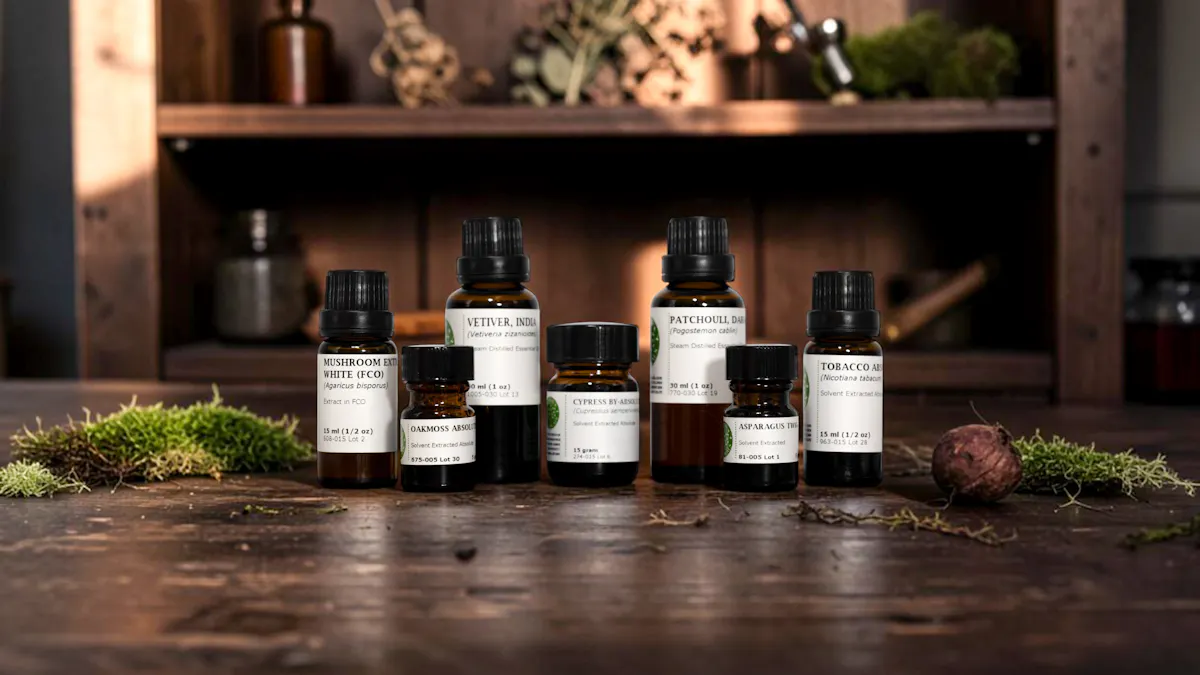
Find our collection of absolutes here.
The Solvent Extraction Process
Solvent extraction of aromatic botanicals happens in a multi-phase process. In the first phase, the plant material is combined with a solvent such as hexane or ethyl alcohol. The solvent captures aromatic molecules along with plant waxes and pigments. Then, the solvent is removed, leaving behind a solid to semi-solid fragrant material called a concrète. Concrètes can be used in solid perfumes, body butters, and lotions.
In the second phase, the concrète is washed with ethyl alcohol to separate aromatic constituents from most of the waxes and non-aromatic compounds. This is followed by filtration or centrifuging, and then the alcohol is recovered by vacuum. The final result is the absolute, an intensely aromatic, sometimes deeply colored, and often viscous material.
Where Did the Caution Come From?
The warning against absolutes originates from earlier decades, when solvent removal methods were less sophisticated and regulatory standards were still developing. Extraction technologies have advanced significantly since the 1950s and modern methods now include highly efficient solvent recovery systems.
Today, reputable producers and suppliers test for residual solvents and operate within regulatory limits for cosmetic use. When present, residual solvents are typically in trace parts-per-million ranges and fall within cosmetic safety standards. Absolutes may also contain a small percentage of ethyl alcohol remaining from the second phase of extraction (often around 1-3%).
How Absolutes Differ from Essential Oils
Essential oils are produced by steam distillation. Only constituents light enough to be carried by steam are present in the oil. Compared to absolutes, essential oils generally have lighter aromas and are often less viscous or colorful. They are commonly used in skincare, aromatherapy, and perfume.
Absolutes, by contrast, contain:
· A wider range of aromatic molecules
· Slightly heavier volatile compounds
· Some botanical pigments and waxes
This results in a fuller, deeper, more tenacious aroma profile, one reason why absolutes are so valued in perfumery. However, some absolutes contain constituents that require lower dermal limits than their essential oil counterparts. When used appropriately, they can serve beautifully in many cosmetic and aromatherapy applications.
Find our collection of Absolute Dilutions here – our pure absolutes expertly diluted in premium carrier oils for ease of use.
Safety Considerations for Absolutes
In general, absolutes should be used within the same dilution ranges as essential oils in cosmetic formulations. Due to their concentration and aromatic potency, smaller amounts are often sufficient compared to essential oils. You’ll find basic dilution guidelines in our article on Dilution Solutions. Here are a few examples of typical dilution guidelines for adults:
· Facial serums: 0.5 - 1%
· Massage oils: 2 - 5%
· Body creams/lotions: 1 - 4%
· Body/facial sprays: 0.5 - 1%
However, before using essential oils or absolutes, one should always check material-specific limits. Formulators should verify dermal usage levels by:
1) Reviewing the Safety Considerations section in the drop-down menu on the left side of our product pages for information on contraindications, safety concerns, and dermal maximum recommendations.
2) Checking the popular reference book Essential Oil Safety, Second Edition by Robert Tisserand and Rodney Young, 2014. We highly recommend this resource to all formulators!
3) Referencing the IFRA Certificate in the Documents drop-down menu on the left side of our product pages. Here you will find Maximum Usage percentages listed by product category. These limits are the standards of the International Fragrance Association – very informative, but not mandatory unless you are a member of IFRA. It’s important to understand that IFRA limits apply to fragrance allergen exposure and are category specific. They do not replace good formulation practice or general dilution guidelines as mentioned above.
If you plan to market your products in the European Union, you may want to reference the material’s EU Allergen Statement to check for potential allergens that may need to be included on your label. EU Allergen Statements are available for download on the product page in the Documents drop down menu.
Examples of Dermal Considerations
There is a moderate risk of skin sensitization. Tisserand and Young recommend a maximum dermal use level of 0.7% based on IFRA limits.* However, please note that IFRA limits vary among Jasmines of different origins and species.
*Tisserand, Robert and Rodney Young. Essential Oil Safety, 2nd ed., 2014, p. 312.
No known safety concerns.*
*Tisserand, Robert and Rodney Young. Essential Oil Safety, 2nd ed., 2014, p. 467.
Orange Blossom Absolute – Fine
Tisserand and Young mention that the material may be weakly phototoxic. They recommend a maximum dermal use level of 1%.* IFRA lists a maximum usage of 1.98% in products applied to the face/body. IFRA limits vary among Orange Blossoms of different origins.
* Tisserand, Robert and Rodney Young. Essential Oil Safety, 2nd ed., 2014, p. 373.
Tisserand and Young recommend a dermal use level of 0.6% due to the presence of methyl eugenol. For reference, that’s about 4-5 drops in an ounce of serum/cream. IFRA limits vary by product category.
*Tisserand, Robert and Rodney Young. Essential Oil Safety, 2nd ed., 2014, p. 405.
So… Can You Use Absolutes in Cosmetic Formulations?
Yes! When used within appropriate dermal limits, absolutes are suitable for cosmetic and body care formulations. The caution surrounding absolutes is largely historical. Modern extraction systems and supplier testing combined with safety and regulatory references provide formulators with the data and the confidence to make informed decisions regarding the use of absolutes in their products.
As always, conducting your own stability, safety, and skin compatibility testing is recommended when developing new topical products.
The Value of Absolutes
In cosmetic formulations, absolutes bring depth, authenticity, longevity, and a touch of luxury to a fragrance profile. A little goes a long way, as these precious materials deliver a true-to-nature aroma even at minimal percentages. While some plants are too delicate or unsuitable for steam distillation, solvent extraction allows for the capture of a wider variety aromatic constituents, broadening the range of materials available for use in perfumery, cosmetic, and aromatherapy applications.