
Solubility & Blending Suggestions

  • Dilute and add drop by drop to your blends until the desired effect is achieved.
  • Soluble in fixed (carrier) oils and alcohol.
  • "Vetiver oil is used extensively in perfumery not only as a fixative, but also as an odor contributor in bases such as fougère, chypre, modern woody-aldehydic or ambre[sic]-aldehydic bases...moss and wood notes, opopanax bases, rose bases, etc."*
  • *Arctander, Steffen. Perfume and Flavor Materials of Natural Origin, 1960, pp. 651-2.

    Suggested Resources

    • Artisan Perfumery or Being Led by the Nose, Alec Lawless, 2009, p. 81.
    • Perfume and Flavor Materials of Natural Origin, Steffen Arctander, 1960, pp. 649-52.
    • Essence and Alchemy – A Book of Perfume, Mandy Aftel, 2001, pp. 77, 92-3.
    • "Vetiver Series: 2. The Fascinating Material," Elena Vosnaki in The Perfume Shrine, August 2008, http://perfumeshrine.blogspot.com/2008/08/vetiver-series-2the-fascinating.html

    Vetiver - Double Distilled EO

    Vetiveria zizanioides [synonym of Chrysopogon zizanioides (L.) Roberty]

    (14)

    SKU 1015-G sizes:

    1 ml (1/30 oz)
    $7.75
    5 ml (1/6 oz)
    $25.25
    15 ml (1/2 oz)
    $58.25
    30 ml (1 oz)
    $102.00
    59.14 ml (2 oz)
    $180.25
    118.29 ml (4 oz)
    $323.00
    236.58 ml (8 oz)
    $581.00
    473.17 ml (16 oz)
    $1,054.50
    1 kg (2 1/5 lb)
    $2,029.25

    Contact us for bulk inquiries.

    Botanical NameVetiveria zizanioides [synonym of Chrysopogon zizanioides (L.) Roberty]
    Suggested UseAromatherapy, Perfumery, Cosmetic, Soapmaking, Candle Crafting
    INCI NameVetiveria Zizanioides (Vetiver) Root Oil
    CAS Number8016-96-4
    OriginHaiti
    Extraction MethodMolecular Distilled
    CultivationConventional
    Plant Partroots.
    Notebase, fixatives.
    Aroma Familyearthy, smokey.
    Aroma ProfileExceptionally smooth, deep, earthy, refined aroma with a very mild green top note; smoother than our other Vetiver oils and without any smoky or harsh notes, yet has the typical tenacious character and an appealing sweet wood quality.
    AppearancePale golden yellow, transparent, somewhat viscous mobile liquid.
    Shipping Restriction9 – Misc. Hazard

    Safety Considerations

    • No known safety concerns.* Dilute before using. A patch test should be performed before use for those with sensitive skin.
    • Store in a cool, dark place away from heat and light. This oil will actually improve with age, that is, the aroma will become deeper, rounder and more refined over time when properly stored at a constant temperature below 65-70F degrees.
    • *Tisserand, Robert and Rodney Young. Essential Oil Safety, 2nd ed., 2014, pp. 466-7.

    Vetiver - Double Distilled EO

    Vetiveria zizanioides [synonym of Chrysopogon zizanioides (L.) Roberty]

    (14)

    Vetiver – Double Distilled has an exceptionally smooth, deep, earthy, refined aroma with a very mild green top note; it is smoother and mellower than our other Vetiver oils and without any smoky or harsh notes yet has the typical tenacious character and an appealing sweet wood quality – simply beautiful!

    Size

    Selected size SKU:1015-015 - Vetiver - Double Distilled 15 ml (1/2 oz)

    1 ml (1/30 oz)
    $7.75
    5 ml (1/6 oz)
    $25.25
    15 ml (1/2 oz)
    $58.25
    30 ml (1 oz)
    $102.00
    59.14 ml (2 oz)
    $180.25
    118.29 ml (4 oz)
    $323.00
    236.58 ml (8 oz)
    $581.00
    473.17 ml (16 oz)
    $1,054.50
    1 kg (2 1/5 lb)
    $2,029.25
    $7.75
    Details
    Solubility & Blending Suggestions
    Suggested Resources
    Safety Considerations
    Certificates of Analysis (COA)
    Documentation

    Product Overview

    Vetiver – Double Distilled has an exceptionally smooth, deep, earthy, refined aroma with a very mild green top note; it is smoother and mellower than our other Vetiver oils and without any smoky or harsh notes yet has the typical tenacious character and an appealing sweet wood quality – simply beautiful! Double distillation entails subjecting Vetiver roots to two extraction processes, the first via traditional steam distillation. In the second extraction, the roots are subjected to molecular distillation. Along with a bit of pigment, high boiling fractions of Vetiver are removed, increasing vetiverol content. Molecular distillation also produces a lighter colored oil and a refined, super smooth Vetiver aroma without any rough edges.[1]Vetiver – Double Distilled is an ideal fragrance material for natural perfumers.

    More than just a simple grass, its chemical complexity is why Vetiver is often thought of as a perfume in itself. It is an outstanding base note with excellent fixative qualities. Vetiveria zizanioides is composed of more than 100 mostly sesquiterpene constituents; three in particular – khusimol, α-vetivone and β-vetivone – are thought of as the 'fingerprint' of the oil and are responsible, in large part, for the characteristic odor and properties of Vetiver.

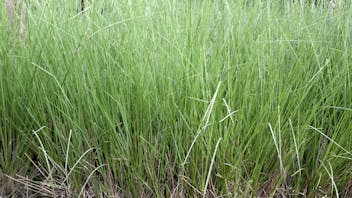
    Also known as vetivert, khus, or khus khus, Vetiver has a long history of use and is very well known as the Oil of Tranquility.[2] It is obtained from the roots of a tropical grass originally from India and Sri Lanka, but the roots are also now cultivated in many tropical countries for household purposes and as an effective strategy to prevent soil erosion. From time immemorial, one of the oldest aromatic uses of Vetiver roots is to weave them into mats which, when dampened with water and hung in windows like curtains, cool and scent the air with a pleasant aroma.[3]

    Vetiver essential oil varies dramatically in aroma depending on where it is grown (terrain, climate, cultivation) and how it is distilled. Guenther stresses that the distillation of heavy, sesquiterpene-rich oils like Vetiver must continue for hours despite the apparent lack of increase in volume, "otherwise valuable, high-boiling constituents will be lacking in the oil."[4] Dense and syrupy, Vetiver essential oils, much like Patchouli and Sandalwood oils, undergo chemical transformation and improve with age, making them very good base notes and fixatives in natural perfume and incense formulations.[5],[6] 

    1 Industry communication.

    2 Davis, Patricia. Aromatherapy: An A-Z, 1988, p. 330.

    3 Guenther, Ernest. The Essential Oils, Vol. IV, 1950, p. 156.

    4 ______________. The Essential Oils, Vol. I, 1947, p. 153.

    5 Arctander, Steffen. Perfume and Flavor Materials of Natural Origin, 1960, p. 651.

    6 Hughes (MSc), Kerry. The Incense Bible: Plant Scents that Transcend World Culture, Medicine, and Spirituality, 2007, pp. 137-8.

    Product Overview

    Vetiver – Double Distilled has an exceptionally smooth, deep, earthy, refined aroma with a very mild green top note; it is smoother and mellower than our other Vetiver oils and without any smoky or harsh notes yet has the typical tenacious character and an appealing sweet wood quality – simply beautiful! Double distillation entails subjecting Vetiver roots to two extraction processes, the first via traditional steam distillation. In the second extraction, the roots are subjected to molecular distillation. Along with a bit of pigment, high boiling fractions of Vetiver are removed, increasing vetiverol content. Molecular distillation also produces a lighter colored oil and a refined, super smooth Vetiver aroma without any rough edges.[1]Vetiver – Double Distilled is an ideal fragrance material for natural perfumers.

    More than just a simple grass, its chemical complexity is why Vetiver is often thought of as a perfume in itself. It is an outstanding base note with excellent fixative qualities. Vetiveria zizanioides is composed of more than 100 mostly sesquiterpene constituents; three in particular – khusimol, α-vetivone and β-vetivone – are thought of as the 'fingerprint' of the oil and are responsible, in large part, for the characteristic odor and properties of Vetiver.

    Also known as vetivert, khus, or khus khus, Vetiver has a long history of use and is very well known as the Oil of Tranquility.[2] It is obtained from the roots of a tropical grass originally from India and Sri Lanka, but the roots are also now cultivated in many tropical countries for household purposes and as an effective strategy to prevent soil erosion. From time immemorial, one of the oldest aromatic uses of Vetiver roots is to weave them into mats which, when dampened with water and hung in windows like curtains, cool and scent the air with a pleasant aroma.[3]

    Vetiver essential oil varies dramatically in aroma depending on where it is grown (terrain, climate, cultivation) and how it is distilled. Guenther stresses that the distillation of heavy, sesquiterpene-rich oils like Vetiver must continue for hours despite the apparent lack of increase in volume, "otherwise valuable, high-boiling constituents will be lacking in the oil."[4] Dense and syrupy, Vetiver essential oils, much like Patchouli and Sandalwood oils, undergo chemical transformation and improve with age, making them very good base notes and fixatives in natural perfume and incense formulations.[5],[6] 

    1 Industry communication.

    2 Davis, Patricia. Aromatherapy: An A-Z, 1988, p. 330.

    3 Guenther, Ernest. The Essential Oils, Vol. IV, 1950, p. 156.

    4 ______________. The Essential Oils, Vol. I, 1947, p. 153.

    5 Arctander, Steffen. Perfume and Flavor Materials of Natural Origin, 1960, p. 651.

    6 Hughes (MSc), Kerry. The Incense Bible: Plant Scents that Transcend World Culture, Medicine, and Spirituality, 2007, pp. 137-8.

    Blends Well With

    logo

    2025-02-21

    Vetiver - The Essence of Earthy Terroir

    Sweet, sun-dried grass on a warm day, rich with wet soil clinging to fresh roots… this is how many describe the sublime aroma of Vetiver. Distilled from the fragrant roots of a tropical grass, versatile and tenacious Vetiver essential oil...

    logo

    2022-11-02

    Take Time to Unwind

    It can show up big or small, loud or silent, occasional or chronic, and we all seem to share it these days: STRESS.

    logo

    2015-02-26

    Fixatives and Their Function in Natural Perfumery

    At Eden Botanicals, we receive many inquiries about fixatives, so we decided to dedicate an article on the topic.