
Solubility & Blending Suggestions

  • Dilute and add drop by drop to your blends until the desired effect is achieved.
  • Soluble in alcohol and fixed (carrier) oils.
  • In trace amounts, Ravintsara elevates top notes and adds ‘lift’ to perfume compositions.*
  • *Private communication.

    Suggested Resources

    • Essential Oils – A Handbook for Aromatherapy Practice, Jennifer Peace Rhind, 2012, pp. 180-1, 290.
    • Aromatherapeutic Blending – Essential Oils in Synergy, Jennifer Peace Rhind, 2016, pp. 268-9.

    Ravintsara - Organic EO

    Cinnamomum camphora (L.) ct cineole

    (2)

    SKU 837-G sizes:

    Sample 1 ml (1/30 oz)
    $3.00
    15 ml (1/2 oz)
    $6.00$10.00
    30 ml (1 oz)
    $7.95$13.25
    59.14 ml (2 oz)
    $22.00
    118.29 ml (4 oz)
    $35.25
    236.58 ml (8 oz)
    $58.00
    473.17 ml (16 oz)
    $102.25
    1 kg (2 1/5 lb)
    $216.00

    Contact us for bulk inquiries.

    Botanical NameCinnamomum camphora (L.) ct cineole
    Suggested UseAromatherapy, Perfumery, Cosmetics
    INCI NameCinnamomum Camphora (Ravintsara) Leaf Oil
    CAS Number8008-51-3
    OriginMadagascar
    Extraction MethodSteam Distilled
    CultivationCertified Organic
    Plant Partleaves.
    Notetop.
    Aroma Familycineolic, fresh.
    Aroma ProfileFresh, diffusive, sweet-spicy, cineolic (eucalyptus-like) aroma with an herbaceous top note.
    AppearanceColorless, transparent, mobile liquid.
    Shipping Restriction3 – Flammable

    Safety Considerations

    • High cineole content can cause  breathing problems in young children – do not apply to or near the face of infants or children.* Maximum dermal use level of 0.4% is recommended by the IFRA.**
    • Dilute before using. A patch test should be performed before use for those with sensitive skin.
    • Store in a cool, dark place away from heat and light.
    • *Tisserand, Robert and Rodney Young. Essential Oil Safety, 2nd ed., 2014, p. 304.
    • **Ibid.

    Ravintsara - Organic EO

    Cinnamomum camphora (L.) ct cineole

    (2)

    Our organic Ravintsara essential oil has a fresh, diffusive, sweet-spicy, cineolic (eucalyptus-like) aroma with an herbaceous top note. This 1,8-cineole type contains a supporting cast of potent molecules that make it ideal for seasonal air diffusion in winter months.

    Size

    Selected size SKU:837-016 - Ravintsara - Organic 15 ml (1/2 oz) (w/ orifice reducer)

    Sample 1 ml (1/30 oz)
    $3.00
    15 ml (1/2 oz)
    $6.00$10.00
    with orifice reducer
    30 ml (1 oz)
    $7.95$13.25
    Out of stock
    59.14 ml (2 oz)
    $22.00
    118.29 ml (4 oz)
    $35.25
    236.58 ml (8 oz)
    $58.00
    473.17 ml (16 oz)
    $102.25
    1 kg (2 1/5 lb)
    $216.00
    $3.00
    Details
    Solubility & Blending Suggestions
    Suggested Resources
    Safety Considerations
    Certificates of Analysis (COA)
    Documentation

    Product Overview

    Our organic Ravintsara essential oil has a fresh, diffusive, sweet-spicy, cineolic (eucalyptus-like) aroma with an herbaceous top note. This 1,8-cineole type contains a supporting cast of potent molecules that make it ideal for seasonal air diffusion in winter months. Also known as eucalyptol, 1,8-cineole is the same familiar constituent found in Eucalyptus oil that lends its superior refreshing properties.

    Ravintsara is an ornamental tree belonging to the Lauraceae family that includes other notorious and highly aromatic botanicals such as Cinnamon (Cinnamomum zeylanicum), Laurel Leaf (Laurus nobilis), Rosewood (Aniba rosaeodora), Ravensara (Ravensara aromatica), May Chang (Litsea cubeba) and, surprisingly, Avocado (Persea americana). But it is the unique synergy of molecules found in Ravintsara leaves that make this oil a complex blend of its own. Ravintsara essential oil is commonly used in French-style aromatherapy and is ideal for chest rubs, targeted skincare preparations, winter baths, diffuser blends, or simply applying a drop onto a turtleneck or scarf to enjoy.

    NOTE: Ravintsara (Cinnamomum camphora) and Ravensara (Ravensara aromatica) are two completely different botanicals that were swept up in a wave of identity confusion, especially in the early days of aromatherapy. This is evident in some of the literature from the 1990s that is still erroneously referenced today. Although both oils originate from Madagascar, their chemical makeup gives each a distinct aromatic profile and suggests different usages.
    Product Overview

    Our organic Ravintsara essential oil has a fresh, diffusive, sweet-spicy, cineolic (eucalyptus-like) aroma with an herbaceous top note. This 1,8-cineole type contains a supporting cast of potent molecules that make it ideal for seasonal air diffusion in winter months. Also known as eucalyptol, 1,8-cineole is the same familiar constituent found in Eucalyptus oil that lends its superior refreshing properties.

    Ravintsara is an ornamental tree belonging to the Lauraceae family that includes other notorious and highly aromatic botanicals such as Cinnamon (Cinnamomum zeylanicum), Laurel Leaf (Laurus nobilis), Rosewood (Aniba rosaeodora), Ravensara (Ravensara aromatica), May Chang (Litsea cubeba) and, surprisingly, Avocado (Persea americana). But it is the unique synergy of molecules found in Ravintsara leaves that make this oil a complex blend of its own. Ravintsara essential oil is commonly used in French-style aromatherapy and is ideal for chest rubs, targeted skincare preparations, winter baths, diffuser blends, or simply applying a drop onto a turtleneck or scarf to enjoy.

    NOTE: Ravintsara (Cinnamomum camphora) and Ravensara (Ravensara aromatica) are two completely different botanicals that were swept up in a wave of identity confusion, especially in the early days of aromatherapy. This is evident in some of the literature from the 1990s that is still erroneously referenced today. Although both oils originate from Madagascar, their chemical makeup gives each a distinct aromatic profile and suggests different usages.
    logo

    2026-03-27

    Why You Need Mushroom in Your Perfume

    There’s a dirty little secret known to experienced perfumers: the most intriguing fragrances always contain something a little ‘off.’ Historically, formulators used animal-derived aromas like ambergris, civet, and castoreum, now mostly replaced by synthetic versions. But perfumers still rely on the funky facets in botanicals...

    logo

    2026-03-20

    DIY Spring Cleaning with Essential Oils

    Riding the wave of spring renewal, this is the time many of us feel inspired to refresh and reset our living spaces. Essential oils offer an effective and enjoyable way to approach our spring cleaning, providing a natural alternative to products made with harsh chemicals or synthetic fragrances.

    logo

    2026-03-13

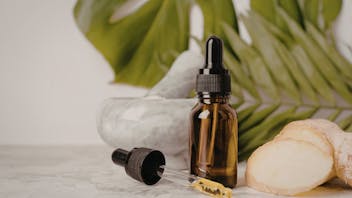
    Essential Oils for Good Luck and Prosperity

    The month of March has long been associated with good fortune across many cultures. Along with the arrival of spring comes a natural flow toward new beginnings, awakenings, rejuvenation, and hope.