
Solubility & Blending Suggestions

  • Dilute and add drop by drop to your blends until the desired effect is achieved. Should be used very sparingly due to its strong odor intensity.
  • Soluble in fixed (carrier) oils and alcohol.
  • In trace amounts, Plai may be used to elevate top notes, add ‘lift’ to perfume compositions, and/or add a cooling, spicy aromatic character to fragrances, especially colognes and after-shaves for men.*
  • *Private communication.

    Suggested Resources

    • Essential Oils – A Handbook for Aromatherapy Practice, Jennifer Peace Rhind, 2012, pp. pp. 171, 199, 229-30, 290
    • Aromatherapeutic Blending – Essential Oils in Synergy, Jennifer Peace Rhind, 2016, pp. 91, 102, 115, 131, 139, 157, 182, 239-41.
    • The Encyclopedia of Essential Oils, Julia Lawless, 2013, pp. 166-7.

    Plai EO

    Zingiber cassumunarRoxb. [synonym of Zingiber montanum (J.Koenig ex Retz.) Theilade]

    (1)

    SKU 832-G sizes:

    Sample 1 ml (1/30 oz)
    $3.00
    5 ml (1/6 oz)
    $10.00
    15 ml (1/2 oz)
    $18.50
    30 ml (1 oz)
    $32.00
    59.14 ml (2 oz)
    $55.00
    118.29 ml (4 oz)
    $98.00
    236.58 ml (8 oz)
    $175.75
    473.17 ml (16 oz)
    $317.75
    1 kg (2 1/5 lb)
    $675.00

    Contact us for bulk inquiries.

    Botanical NameZingiber cassumunarRoxb. [synonym of Zingiber montanum (J.Koenig ex Retz.) Theilade]
    Suggested UseAromatherapy, Perfumery, Cosmetics, Soapmaking
    INCI NameZingiber Cassumunar (Plai) Root Oil
    CAS Number8007-08-7
    OriginThailand
    Extraction MethodSteam Distilled
    CultivationConventional
    Plant Partrhizome.
    Notetop, middle.
    Aroma Familyearthy, spicy.
    Aroma ProfilePleasant, earthy, cool, peppery-ginger and nutmeg-like aroma on top of notes reminiscent of Tea Tree.
    AppearanceColorless to very pale yellow, transparent, mobile liquid.
    Shipping Restriction3 – Flammable

    Safety Considerations

    • None known.*
    • Dilute before using. A patch test should be performed before use for those with sensitive skin.
    • Store in a cool, dark place away from heat and light.
    • *Tisserand, Robert and Rodney Young. Essential Oil Safety, 2nd ed., 2014, p. 400.

    Plai EO

    Zingiber cassumunarRoxb. [synonym of Zingiber montanum (J.Koenig ex Retz.) Theilade]

    (1)

    Move over Tea Tree – Plai essential oil is here! Boasting properties similar to that ubiquitous Melaleuca, this oil has an aroma that is earthy, cool and nutmeg-like with peppery-ginger nuances on top of notes reminiscent of Tea Tree. However, Plai is a more pleasant smelling alternative

    Size

    Selected size SKU:832-016 - Plai 15 ml (1/2 oz) (w/ orifice reducer)

    Sample 1 ml (1/30 oz)
    $3.00
    5 ml (1/6 oz)
    $10.00
    with orifice reducer
    15 ml (1/2 oz)
    $18.50
    with orifice reducer
    30 ml (1 oz)
    $32.00
    59.14 ml (2 oz)
    $55.00
    118.29 ml (4 oz)
    $98.00
    236.58 ml (8 oz)
    $175.75
    473.17 ml (16 oz)
    $317.75
    1 kg (2 1/5 lb)
    $675.00
    $3.00
    Details
    Solubility & Blending Suggestions
    Suggested Resources
    Safety Considerations
    Certificates of Analysis (COA)
    Documentation

    Product Overview

    Move over Tea Tree – Plai essential oil is here! Boasting properties similar to that ubiquitous Melaleuca, this oil has an aroma that is earthy, cool and nutmeg-like with peppery-ginger nuances on top of notes reminiscent of Tea Tree. However, Plai is a more pleasant smelling alternative – a benefit that may help determine its use in formulations geared toward those with sensitive noses.

    Related to both Ginger and Galangal, Zingiber cassumunar (common name Plai, aka Thai Ginger) is a wildly invasive rhizome that grows vigorously in the warm, humid climates of Thailand. Plai is thought to be native to India, but is cultivated widely in Southeast Asia, and was introduced into China, Europe, The Philippines and the Caribbean Islands, and North and Central America. Like the other plants in the Zingiber genus, the essential oil is distilled from the pale, carrot-colored rhizomes and has a spicy, earthy aroma one might expect from a close relative of Ginger.

    One of two major constituents in Plai essential oil is sabinene, a commonly occurring monoterpene having a woody, peppery, pine-like and slightly camphoraceous aroma that is also found in Nutmeg essential oil; The other major constituent is terpinen-4-ol, the primary constituent in Tea Tree. What we know about these two molecules alone, along with a host of lesser and trace mono- and sesquiterpene constituents, indicates that the aroma of Plai is well suited for cooling muscle and joint massage blends, outdoor sprays, cleansing sprays, chest rubs, topical preparations and diffusers.

    It may be time for a new botanical to take center stage and share the glory that has been so firmly, but validly, held by Tea Tree oil. The fact that this rhizome is an invasive species and is abundant on almost every continent provides the potential for Plai essential oil to be a sustainable choice for a multitude of aromatherapy applications far into the future.
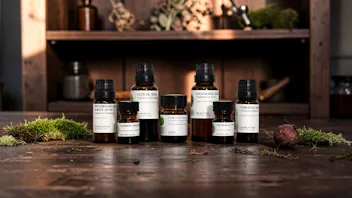
    Product Overview

    Move over Tea Tree – Plai essential oil is here! Boasting properties similar to that ubiquitous Melaleuca, this oil has an aroma that is earthy, cool and nutmeg-like with peppery-ginger nuances on top of notes reminiscent of Tea Tree. However, Plai is a more pleasant smelling alternative – a benefit that may help determine its use in formulations geared toward those with sensitive noses.

    Related to both Ginger and Galangal, Zingiber cassumunar (common name Plai, aka Thai Ginger) is a wildly invasive rhizome that grows vigorously in the warm, humid climates of Thailand. Plai is thought to be native to India, but is cultivated widely in Southeast Asia, and was introduced into China, Europe, The Philippines and the Caribbean Islands, and North and Central America. Like the other plants in the Zingiber genus, the essential oil is distilled from the pale, carrot-colored rhizomes and has a spicy, earthy aroma one might expect from a close relative of Ginger.

    One of two major constituents in Plai essential oil is sabinene, a commonly occurring monoterpene having a woody, peppery, pine-like and slightly camphoraceous aroma that is also found in Nutmeg essential oil; The other major constituent is terpinen-4-ol, the primary constituent in Tea Tree. What we know about these two molecules alone, along with a host of lesser and trace mono- and sesquiterpene constituents, indicates that the aroma of Plai is well suited for cooling muscle and joint massage blends, outdoor sprays, cleansing sprays, chest rubs, topical preparations and diffusers.

    It may be time for a new botanical to take center stage and share the glory that has been so firmly, but validly, held by Tea Tree oil. The fact that this rhizome is an invasive species and is abundant on almost every continent provides the potential for Plai essential oil to be a sustainable choice for a multitude of aromatherapy applications far into the future.

    Blends Well With

    logo

    2026-03-27

    Why You Need Mushroom in Your Perfume

    There’s a dirty little secret known to experienced perfumers: the most intriguing fragrances always contain something a little ‘off.’ Historically, formulators used animal-derived aromas like ambergris, civet, and castoreum, now mostly replaced by synthetic versions. But perfumers still rely on the funky facets in botanicals...

    logo

    2026-03-20

    DIY Spring Cleaning with Essential Oils

    Riding the wave of spring renewal, this is the time many of us feel inspired to refresh and reset our living spaces. Essential oils offer an effective and enjoyable way to approach our spring cleaning, providing a natural alternative to products made with harsh chemicals or synthetic fragrances.

    logo

    2026-03-13

    Essential Oils for Good Luck and Prosperity

    The month of March has long been associated with good fortune across many cultures. Along with the arrival of spring comes a natural flow toward new beginnings, awakenings, rejuvenation, and hope.