Solubility & Blending Suggestions

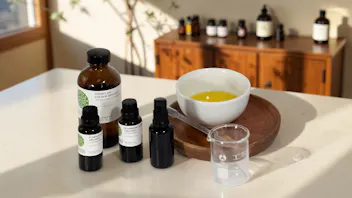
  • For a massage oil, we suggest combining 0.5-1% Arnica CO2 with 99% of another carrier oil, or a combination of other carrier oils, such as Sunflower Oil - OrganicJojoba Oil, Golden - Organic, or Fractionated Coconut Oil - Organic.
  • Soluble in fixed (carrier) oils and insoluble in alcohol.
  • This oil may be semi-solid at low temperatures and may require special use instructions to blend.
  • Suggested Resources

    • CO2 Extracts in Aromatherapy – 50+ extracts for clinical applications, M Kerkhof, 2016, pp. 35-6.

    Arnica CO2 - Organic

    Arnica montana L.

    (0)
    $12.50

    Contact us for bulk inquiries.

    Botanical NameArnica montana L.
    Suggested UseCosmetics
    INCI NameArnica Montana (Arnica) Flower Extract, Helianthus Annuus (Sunflower) Seed Oil
    CAS Number68990-11-4, 8001-21-6
    OriginRomania
    Extraction MethodCO2 Extract
    CultivationCertified Organic
    Plant Partflower.
    Aroma ProfileNutty, buttery with a pungent undertone.
    AppearanceBrownish amber, semi-opaque, viscous vegetal oil; may be semi-solid at low temperatures. Caution: may stain skin and clothes.
    Shipping Restriction0 – Non-Hazardous

    Safety Considerations

    • None known. Not for ingestion. Arnica CO2 is for topical use only. Maximum dermal use level of 0.5-1.5% is recommended.*
    • Dilute before using. Rare reports of allergic dermatitis underscore the need for individual patch testing, particularly for those with sensitive skin.
    • We recommend that this oil be stored in a refrigerator and used within 3 years of the purchase date.
    • *Kerkhof, Madeleine. CO2 Extracts in Aromatherapy – 50+ extracts for clinical applications, 2016, p. 36.

    Arnica CO2 - Organic

    Arnica montana L.

    (0)

    Our Arnica CO2 is standardized with organic Sunflower Oil (about 70% Sunflower) to achieve a consistent 4% level of sesquiterpene lactones (SLs), important lipophilic compounds that, along with helenalin and

    Size

    Selected size SKU:77-33 - Arnica CO2 - Organic 1 ml

    $ 12.50
    $12.50
    Details
    Solubility & Blending Suggestions
    Suggested Resources
    Safety Considerations
    Certificates of Analysis (COA)
    Documentation

    Product Overview

    Our Arnica CO2 is standardized with organic Sunflower Oil (about 70% Sunflower) to achieve a consistent 4% level of sesquiterpene lactones (SLs), important lipophilic compounds that, along with helenalin and dihydrohelenalin esters, are responsible for the beneficial effects. This CO2 extract also contains a tiny percentage of essential oil as well as naturally present light waxes and resins, making it pleasantly smooth and mildly aromatic.[1]

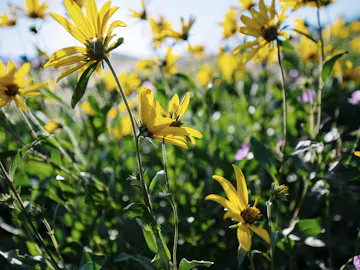
    Arnica Montana is a high altitude perennial in the Asteraceae family with cheerful, daisy-like flower heads. It is a familiar native to the sunny meadows and mountainous regions of Eastern and Western Europe, Norway, the Ukraine and western North America and thrives at elevations higher than 2,750 meters (9,000 feet).

    The CO2 supercritical fluid extraction of the flowers of Arnica montana is a significantly more potent product than the commonly sold oil macerations made from this botanical. At recommended dilutions as low as 0.5 to 1.5%[2], it offers maximum efficacy with a bare minimum of product. It is also well known that the CO2 extraction process yields compounds at much higher percentages and/or not seen as a result of other extraction methods. In addition, the CO2 process is the best method for extraction of Arnica flowers: it is fast, gentle and completely enclosed to prevent the presence of oxygen, thus preserving the composition of the chemical constituents; the less volatile and sensitive oxygenated sesquiterpenes are fully preserved as well.[3]

    Along with Marjoram, Plai, Lavender and Yarrow essential oils, this CO2 would make an excellent addition to morning or post-workout massage formulas.

    1 Industry communication.

    2 Kerkhof, Madeleine. CO2 Extracts in Aromatherapy 50+ extracts for clinical applications, 2016, p. 36.

    3 Industry communication.
    Product Overview

    Our Arnica CO2 is standardized with organic Sunflower Oil (about 70% Sunflower) to achieve a consistent 4% level of sesquiterpene lactones (SLs), important lipophilic compounds that, along with helenalin and dihydrohelenalin esters, are responsible for the beneficial effects. This CO2 extract also contains a tiny percentage of essential oil as well as naturally present light waxes and resins, making it pleasantly smooth and mildly aromatic.[1]

    Arnica Montana is a high altitude perennial in the Asteraceae family with cheerful, daisy-like flower heads. It is a familiar native to the sunny meadows and mountainous regions of Eastern and Western Europe, Norway, the Ukraine and western North America and thrives at elevations higher than 2,750 meters (9,000 feet).

    The CO2 supercritical fluid extraction of the flowers of Arnica montana is a significantly more potent product than the commonly sold oil macerations made from this botanical. At recommended dilutions as low as 0.5 to 1.5%[2], it offers maximum efficacy with a bare minimum of product. It is also well known that the CO2 extraction process yields compounds at much higher percentages and/or not seen as a result of other extraction methods. In addition, the CO2 process is the best method for extraction of Arnica flowers: it is fast, gentle and completely enclosed to prevent the presence of oxygen, thus preserving the composition of the chemical constituents; the less volatile and sensitive oxygenated sesquiterpenes are fully preserved as well.[3]

    Along with Marjoram, Plai, Lavender and Yarrow essential oils, this CO2 would make an excellent addition to morning or post-workout massage formulas.

    1 Industry communication.

    2 Kerkhof, Madeleine. CO2 Extracts in Aromatherapy 50+ extracts for clinical applications, 2016, p. 36.

    3 Industry communication.

    logo

    2026-03-27

    Why You Need Mushroom in Your Perfume

    There’s a dirty little secret known to experienced perfumers: the most intriguing fragrances always contain something a little ‘off.’ Historically, formulators used animal-derived aromas like ambergris, civet, and castoreum, now mostly replaced by synthetic versions. But perfumers still rely on the funky facets in botanicals...

    logo

    2026-03-20

    DIY Spring Cleaning with Essential Oils

    Riding the wave of spring renewal, this is the time many of us feel inspired to refresh and reset our living spaces. Essential oils offer an effective and enjoyable way to approach our spring cleaning, providing a natural alternative to products made with harsh chemicals or synthetic fragrances.

    logo

    2026-03-13

    Essential Oils for Good Luck and Prosperity

    The month of March has long been associated with good fortune across many cultures. Along with the arrival of spring comes a natural flow toward new beginnings, awakenings, rejuvenation, and hope.