Solubility & Blending Suggestions

  • Soluble in fixed oils, insoluble in alcohol.
  • It is natural for this product to partially solidify at room temperature. May require special use instructions to blend, please see our FAQ section for details.
  • Depending on the type of product you are formulating, you can use between 2% to 50%. For a massage oil, we suggest combining up to 25% Tamanu Oil with 75% or more of another carrier oil, or a combination of other carrier oils, such as Sunflower Oil - OrganicJojoba Oil, Golden - Organic, or Fractionated Coconut Oil - Organic.
  • Please note that dilutions in excess of 5% may make your formulations appear darker and more cloudy/opaque due to the particulate matter present in Tamanu. 
  • Suggested Resources

    • Advanced Aromatherapy, Kurt Schnaubelt, 1998, p. 62.
    • Power of the Seed, Susan M Parker, 2014, pp. 128-130.
    • Liquid Sunshine – Vegetable Oils for Aromatherapy, Jan Kusmirek, 2002, pp. 165-7.
    • Carrier Oils for Aromatherapy & Massage, Len Price, 2004, pp. 143-4.
    • The Complete Book of Essential Oils and Aromatherapy, Valerie Ann Worwood, 2016, pp. 59, 146, 160, 166, 378, 390, 396-8, 398, 417-8, 523.

    Tamanu (Foraha) Oil - Organic

    Calophyllum inophyllum L.

    (0)
    Sample 3 grams (0.10 oz)
    $3.00

    Contact us for bulk inquiries.

    Botanical NameCalophyllum inophyllum L.
    Suggested UseCosmetics, Soap
    INCI NameCalophyllum Inophyllum Seed Oil
    CAS NumberN/A
    OriginVietnam
    Extraction MethodCold Pressed
    CultivationCertified Organic
    Plant Partkernels.
    Aroma ProfileNutty, pecan-like aroma.
    AppearanceGold/green to deep green vegetal oil; transparent mobile liquid. 
    Shipping Restriction0 – Non-Hazardous

    Safety Considerations

    • No safety concerns when used with caution.*
    • A patch test should be performed before use for those with sensitive skin.
    • We recommend that this oil be stored in a cool, dark place, or refrigerated for longer storage. Please note that cold temperatures will solidify Tamanu oil; to liquefy, bring to room temperature. A warm water bath can be utilized to gently speed liquefaction and increase pourability. Use within 1-2 years of the purchase date.
    • *Schnaubelt, Kurt. Advanced Aromatherapy, 1998, p. 62.

    Tamanu (Foraha) Oil - Organic

    Calophyllum inophyllum L.

    (0)

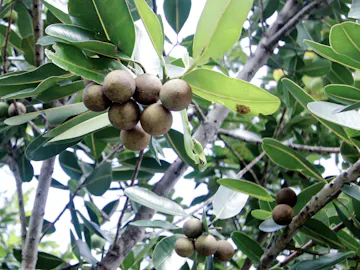
    Tamanu (Foraha) Oil, also known as Calophyllum Oil, is a richly emollient oil pressed from the fruit kernels of a large tropical evergreen tree that originated in Polynesia and is now found in several other equatorial countries. With its aromatic nutty aroma and greenish hue, this skin-loving kernel oil has been

    Size

    Selected size SKU:1113-3 - Tamanu (Foraha) Oil - Organic Sample (1 ml)

    Sample 3 grams (0.10 oz)
    $ 3.00
    $3.00
    Details
    Solubility & Blending Suggestions
    Suggested Resources
    Safety Considerations
    Certificates of Analysis (COA)
    Documentation

    Product Overview

    Tamanu (Foraha) Oil, also known as Calophyllum Oil, is a richly emollient oil pressed from the fruit kernels of a large tropical evergreen tree that originated in Polynesia and is now found in several other equatorial countries. With its aromatic nutty aroma and greenish hue, this skin-loving kernel oil has been dubbed “green gold.”[1]

    The botanical name Calophyllum inophyllum comes from the Greek kalos, which means ‘beautiful’, phullon, which means 'leaf' and ino-, an obsolete prefix meaning 'fiber' or 'fibrous'. Considered sacred in Tahiti since ancient times, all parts of the Tamanu tree have a rich and storied history of use by many indigenous Island peoples, particularly for skincare and beauty.

    Two main active constituents in Calophyllum oil were discovered by a Frenchman named Professor Lederer who succeeded in isolating two important components of the oil – calophyllic acid (a 'new' fatty acid), and a lactone said to be the origin of the oil’s remarkable effects on skin. Tamanu oil is good for targeted skincare preparations, after-sun creams, in massage oils and joint rubs, and added to facial serums to improve the appearance of dry, aging, mature, sun-exposed, and congested skin. Additional Tamanu Oil benefits may include easing signs eczema and reducing the look of scars.

    *Please visit our Containers section if you are interested in a Dispensing Pump for the 1/2 Gallon or Gallon size.

    Want to know more about how to use Tamanu Oil as a base for your essential oil blends? Read Dilution Solutions to learn about essential oil to carrier oil ratios and how to mix essential oils with carrier oils.

    1 Parker, Susan M. Power of the Seed, 2014, pp. 129.
    Product Overview

    Tamanu (Foraha) Oil, also known as Calophyllum Oil, is a richly emollient oil pressed from the fruit kernels of a large tropical evergreen tree that originated in Polynesia and is now found in several other equatorial countries. With its aromatic nutty aroma and greenish hue, this skin-loving kernel oil has been dubbed “green gold.”[1]

    The botanical name Calophyllum inophyllum comes from the Greek kalos, which means ‘beautiful’, phullon, which means 'leaf' and ino-, an obsolete prefix meaning 'fiber' or 'fibrous'. Considered sacred in Tahiti since ancient times, all parts of the Tamanu tree have a rich and storied history of use by many indigenous Island peoples, particularly for skincare and beauty.

    Two main active constituents in Calophyllum oil were discovered by a Frenchman named Professor Lederer who succeeded in isolating two important components of the oil – calophyllic acid (a 'new' fatty acid), and a lactone said to be the origin of the oil’s remarkable effects on skin. Tamanu oil is good for targeted skincare preparations, after-sun creams, in massage oils and joint rubs, and added to facial serums to improve the appearance of dry, aging, mature, sun-exposed, and congested skin. Additional Tamanu Oil benefits may include easing signs eczema and reducing the look of scars.

    *Please visit our Containers section if you are interested in a Dispensing Pump for the 1/2 Gallon or Gallon size.

    Want to know more about how to use Tamanu Oil as a base for your essential oil blends? Read Dilution Solutions to learn about essential oil to carrier oil ratios and how to mix essential oils with carrier oils.

    1 Parker, Susan M. Power of the Seed, 2014, pp. 129.

    logo

    2026-03-27

    Why You Need Mushroom in Your Perfume

    There’s a dirty little secret known to experienced perfumers: the most intriguing fragrances always contain something a little ‘off.’ Historically, formulators used animal-derived aromas like ambergris, civet, and castoreum, now mostly replaced by synthetic versions. But perfumers still rely on the funky facets in botanicals...

    logo

    2026-03-20

    DIY Spring Cleaning with Essential Oils

    Riding the wave of spring renewal, this is the time many of us feel inspired to refresh and reset our living spaces. Essential oils offer an effective and enjoyable way to approach our spring cleaning, providing a natural alternative to products made with harsh chemicals or synthetic fragrances.

    logo

    2026-03-13

    Essential Oils for Good Luck and Prosperity

    The month of March has long been associated with good fortune across many cultures. Along with the arrival of spring comes a natural flow toward new beginnings, awakenings, rejuvenation, and hope.