Solubility & Blending Suggestions

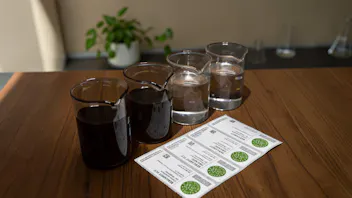
  • Dilute and add drop by drop to your blends until the desired effect is achieved.
  • Soluble in fixed (carrier) oils and alcohol.
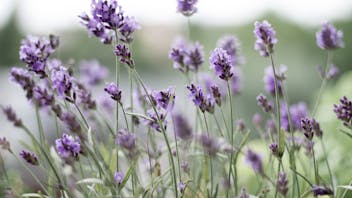
  • "The oil finds use in certain types of herbaceous fragrances, e.g. fougère, lavender, etc. and occasionally in florals such as jasmine, gardenia, chypre, violet, etc. where the herbaceous green notes play an important role."*
  • *Arctander, Steffen. Perfume and Flavor Materials of Natural Origin, 1960, pp. 607-8.

    Suggested Resources

    • The Aromatherapy Practitioner Reference Manual, Vol. II, Sylla Sheppard-Hanger, 1994, p. 401.
    • Aromatherapy for Health Professionals, 4th ed., Shirley and Len Price, eds., 2012, pp. 78-9.
    • Essential Oils - A Handbook for Aromatherapy Practice, 2nd ed., Jennifer Peace Rhind, 2012, pp. 151-2, 291.
    • Aromatherapeutic Blending - Essential Oils in Synergy, Jennifer Peace Rhind, 2016, pp. 116, 139.
    • The Encyclopedia of Essential Oils, Julia Lawless, 2013, pp. 187-8.

    Tagetes EO

    Tagetes minuta var. bipinata (synonym of Tagetes minuta L.)

    (0)
    Sample 3 grams (0.10 oz)
    $3.00

    Contact us for bulk inquiries.

    Botanical NameTagetes minuta var. bipinata (synonym of Tagetes minuta L.)
    Suggested UseAromatherapy, Perfumery
    INCI NameTagetes Minuta (Tagetes) Flower Oil
    CAS Number8016-84-0
    OriginVarious
    Extraction MethodSteam Distilled
    CultivationConventional
    Plant Partflower.
    Notetop, middle.
    Aroma Familyfruity, herbaceous.
    Aroma ProfileStrong, warm, sweet-herbaceous, distinctive ketonic (pungent) aroma with a very powerful fruity-green undertone, reminiscent of green apple.
    AppearanceDark yellow-orange, transparent, mobile liquid.
    Shipping Restriction3 – Flammable

    Safety Considerations

    • Strongly phototoxic; for application to areas of skin exposed to sunshine, the recommended maximum dermal use level is 0.01%.*
    • Dilute before using. A patch test should be performed before use for those with sensitive skin.
    • Store in a cool, dark place away from heat and light.
    • *Tisserand, Robert and Rodney Young. Essential Oil Safety, 2nd ed., 2014, p. 435.

    Tagetes EO

    Tagetes minuta var. bipinata (synonym of Tagetes minuta L.)

    (0)

    Tagetes essential oil has a strong, warm, sweet-herbaceous, distinctive ketonic (pungent) aroma with a very powerful fruity undertone, reminiscent of green apple. Despite its unusual pungency, Tagetes essential oil is used extensively in French perfumes,

    Size

    Selected size SKU:940-3 - Tagetes Sample (1 ml)

    Sample 3 grams (0.10 oz)
    $ 3.00
    $3.00
    Details
    Solubility & Blending Suggestions
    Suggested Resources
    Safety Considerations
    Certificates of Analysis (COA)
    Documentation

    Product Overview

    Tagetes essential oil has a strong, warm, sweet-herbaceous, distinctive ketonic (pungent) aroma with a very powerful fruity undertone, reminiscent of green apple. Despite its unusual pungency, Tagetes essential oil is used extensively in French perfumes, although in minimal amounts. About 1 kilo of Tagetes oil is produced from about 700 kilos of stems and leaves.[1]

    Tagetes minuta var bipinnata is a perennial herb native to the temperate grasslands and mountainous regions of southern South America; it is also cultivated in Madagascar. A member of the Asteraceae family, Tagetes is a variety of marigold, however it should not be confused with the more commonly known Calendula officinalis, or pot marigold, that has very different properties and applications.

    Tagetes essential oil contains about 47% ketones - accounting for its intense aroma. The oil is also rich in many secondary compounds, including monoterpenes, sesquiterpenes, oxides and phenols that give it a broad range of activity. Formulators may find it useful in targeted skincare preparations, such as foot oils and lotions, however, due to its high risk of phototoxicity, the maximum dermal use level is quite low  (0.01%).[2]  Tagetes blends well with florals, woods and citrus oils.

    1 Naturals Compendium, International Flavor & Fragrances, 2009, p. 145.

    2 Tisserand, Robert and Rodney Young. Essential Oil Safety, 2nd ed., 2014, p. 435.

    Product Overview

    Tagetes essential oil has a strong, warm, sweet-herbaceous, distinctive ketonic (pungent) aroma with a very powerful fruity undertone, reminiscent of green apple. Despite its unusual pungency, Tagetes essential oil is used extensively in French perfumes, although in minimal amounts. About 1 kilo of Tagetes oil is produced from about 700 kilos of stems and leaves.[1]

    Tagetes minuta var bipinnata is a perennial herb native to the temperate grasslands and mountainous regions of southern South America; it is also cultivated in Madagascar. A member of the Asteraceae family, Tagetes is a variety of marigold, however it should not be confused with the more commonly known Calendula officinalis, or pot marigold, that has very different properties and applications.

    Tagetes essential oil contains about 47% ketones - accounting for its intense aroma. The oil is also rich in many secondary compounds, including monoterpenes, sesquiterpenes, oxides and phenols that give it a broad range of activity. Formulators may find it useful in targeted skincare preparations, such as foot oils and lotions, however, due to its high risk of phototoxicity, the maximum dermal use level is quite low  (0.01%).[2]  Tagetes blends well with florals, woods and citrus oils.

    1 Naturals Compendium, International Flavor & Fragrances, 2009, p. 145.

    2 Tisserand, Robert and Rodney Young. Essential Oil Safety, 2nd ed., 2014, p. 435.
    Blends Well With

    logo

    2026-07-02

    Heating Thick Aromatics? Here’s How to Protect Your Labels

    If you’ve been working with aromatics for a while, you’ve probably encountered materials that are thick, highly viscous, or even solid at room temperature. Products such as Vanilla Absolute, Calendula CO2, and Orris Butter (15% irones) require gentle warming before they can be poured or dispensed with a pipette.

    logo

    2026-06-25

    Behind the Scenes with Alison, Eden Botanicals Photographer

    When it comes to formulation, helping our customers understand our products and how to use them is important to our team at Eden Botanicals – including detailed descriptions of what they look, smell, and feel like. One of the best ways to highlight the color, texture, and real-world appearance of each material is through the photographs on our website.

    logo

    2026-06-19

    Carrier Oils for Summer Hair Care

    Summer is officially here! We’re looking forward to sunny days, blissful breezes, and refreshing swims, but not what these can do to the hair. While hats and swim caps are certainly helpful, healthy-looking summer hair often needs a little extra support.