Solubility & Blending Suggestions

  • Dilute and add drop by drop to your blends until the desired effect is achieved.
  • Soluble in fixed (carrier) oils and alcohol.
  • “Modern quality perfumes containing Rosewood (Bois de Rose) Oil include ‘Jicky’, ‘Le Dix’, and ‘Vol du Nuit’.”*
  • *Groom, Nigel. The New Perfume Handbook, 2nd ed., 1997, p. 294.

    Suggested Resources

    Rosewood Leaf - Organic EO

    Aniba rosaeodora Ducke

    (4)

    SKU 897-G sizes:

    1 ml (1/30 oz)
    $4.00
    5 ml (1/6 oz)
    $16.50
    15 ml (1/2 oz)
    $37.50
    30 ml (1 oz)
    $64.00
    59.14 ml (2 oz)
    $112.75
    118.29 ml (4 oz)
    $201.25
    236.58 ml (8 oz)
    $361.75
    473.17 ml (16 oz)
    $653.75
    1 kg (2 1/5 lb)
    $1,424.00

    Contact us for bulk inquiries.

    Botanical NameAniba rosaeodora Ducke
    Suggested UseAromatherapy, Perfumery, Cosmetics, Soapmaking, Candle Crafting
    INCI NameAniba Rosaedora (Rosewood) Leaf Oil
    CAS Number8015-77-8
    OriginBrazil
    Extraction MethodSteam Distilled
    CultivationCertified Organic
    Plant Partleaves.
    Notetop, middle.
    Aroma Familyfruity, herbaceous.
    Aroma ProfileFresh, bitter green-woody, highly aromatic, with slight camphoraceous and faint rosy nuances; the green-woody notes soften, deepen and become sweeter in the long, mellow drydown.
    AppearanceColorless to very pale yellow, transparent, mobile liquid.
    Shipping Restriction0 – Non-Hazardous

    Safety Considerations

    • No known safety concerns.* Essential oils with naturally high linalool content such as Rosewood Leaf are prone to oxidation when exposed to air, so it is recommended that an antioxidant be added to slow this process and reduce the chance of skin allergy or irritation.**
    • Dilute before using. A patch test should be performed before use for those with sensitive skin.
    • *Tisserand, Robert and Rodney Young. Essential Oil Safety, 2nd ed., 2014, p. 409-10.
    • **Ibid.

    Rosewood Leaf - Organic EO

    Aniba rosaeodora Ducke

    This item cannot be shipped outside the USA

    (4)

    PLEASE NOTE: we are unable to ship this product internationally due to CITES regulations.

    Size

    Selected size SKU:897-016 - Rosewood Leaf - Organic 15 ml (1/2 oz) (w/ orifice reducer)

    1 ml (1/30 oz)
    $4.00
    5 ml (1/6 oz)
    $16.50
    with orifice reducer
    15 ml (1/2 oz)
    $37.50
    with orifice reducer
    30 ml (1 oz)
    $64.00
    59.14 ml (2 oz)
    $112.75
    118.29 ml (4 oz)
    $201.25
    236.58 ml (8 oz)
    $361.75
    473.17 ml (16 oz)
    $653.75
    1 kg (2 1/5 lb)
    $1,424.00
    $4.00
    Details
    Solubility & Blending Suggestions
    Suggested Resources
    Safety Considerations
    Certificates of Analysis (COA)
    Documentation

    Product Overview

    PLEASE NOTE: we are unable to ship this product internationally due to CITES regulations.

    We are pleased to offer this fine organic Rosewood Leaf essential oil as a sustainable alternative to the essential oil distilled from the wood of the endangered Rosewood trees. The aroma is fresh, bitter green-woody, and highly aromatic, with slight camphoraceous and faint rosy nuances; the green-woody notes soften, deepen and become sweeter in the long, mellow drydown. In perfumery, Rosewood oil distilled from the wood blends well with most oils and is attributed with rounding off sharp edges and adding body to perfume formulations.[1] Aromatically speaking, Rosewood Leaf essential oil would have reasonably similar qualities. This oil is CITES compliant.

    A vigorous evergreen tree in the Lauraceae family, Aniba rosaeodora can attain heights of nearly 100 feet with a diameter of 6 to 7 feet. The essential oil from the wood has, for decades, been sought after by perfumers and fragrance manufacturers of all types of products for its smooth, woody, rosy aroma, thanks to its dominant constituent – linalool. Every part of this massive forest giant is fragrant – the wood, the roots and the leaves, although, before this species gained protected status, it was the wood oil that had been one of the most highly traded essential oils in the world. Now, thanks to a number of projects dedicated to the sustainable harvest and distillation of Rosewood Leaf, we know that cultivated trees as young as four years old can produce essential oils with nearly the same chemical make up as that from the wood of older trees.[2]

    It is difficult to present an essential oil from Rosewood without acknowledging the extreme pressure this species has endured. Although perfumery played its part in Rosewood’s fate, also responsible for the demand of the wood is the exploitation by ‘timber mafias’ as well as its use in industries like fine furniture, musical instruments, and even chop sticks.[3] Sometimes referred to as ‘the ivory of the forest’, Rosewood is the most trafficked form of flora/fauna in the world; its depletion adversely affects wildlife and leads to desertification of terrain – leaving areas vulnerable to fires and spawning many acts of violence in once peaceful regions.[4] This is why it is so important to verify that the source of Rosewood Leaf essential oil is indeed from the leaves and is CITES certified.[5] Today, there are many organizations involved in reforestation and sustainability projects in these devastated regions.[6],[7]

    One of the most commercially successful perfumes of all time, Chanel No 5, debuted in 1921; it was a stunning departure from the flowery perfumes of the era. Featuring a liberal dose of synthetic aldehydes seductively combined with naturals, it included a generous helping of Rosewood, plus Jasmine, Neroli, Ylang Ylang, Sandalwood and Vetiver.[8] The precious Rosewood aroma found in our sustainably produced Rosewood Leaf essential oil will be enthusiastically welcomed by those who have abstained from and missed the warm aromatic embrace of this extraordinary rainforest survivor.

    Product Overview

    PLEASE NOTE: we are unable to ship this product internationally due to CITES regulations.

    We are pleased to offer this fine organic Rosewood Leaf essential oil as a sustainable alternative to the essential oil distilled from the wood of the endangered Rosewood trees. The aroma is fresh, bitter green-woody, and highly aromatic, with slight camphoraceous and faint rosy nuances; the green-woody notes soften, deepen and become sweeter in the long, mellow drydown. In perfumery, Rosewood oil distilled from the wood blends well with most oils and is attributed with rounding off sharp edges and adding body to perfume formulations.[1] Aromatically speaking, Rosewood Leaf essential oil would have reasonably similar qualities. This oil is CITES compliant.

    A vigorous evergreen tree in the Lauraceae family, Aniba rosaeodora can attain heights of nearly 100 feet with a diameter of 6 to 7 feet. The essential oil from the wood has, for decades, been sought after by perfumers and fragrance manufacturers of all types of products for its smooth, woody, rosy aroma, thanks to its dominant constituent – linalool. Every part of this massive forest giant is fragrant – the wood, the roots and the leaves, although, before this species gained protected status, it was the wood oil that had been one of the most highly traded essential oils in the world. Now, thanks to a number of projects dedicated to the sustainable harvest and distillation of Rosewood Leaf, we know that cultivated trees as young as four years old can produce essential oils with nearly the same chemical make up as that from the wood of older trees.[2]

    It is difficult to present an essential oil from Rosewood without acknowledging the extreme pressure this species has endured. Although perfumery played its part in Rosewood’s fate, also responsible for the demand of the wood is the exploitation by ‘timber mafias’ as well as its use in industries like fine furniture, musical instruments, and even chop sticks.[3] Sometimes referred to as ‘the ivory of the forest’, Rosewood is the most trafficked form of flora/fauna in the world; its depletion adversely affects wildlife and leads to desertification of terrain – leaving areas vulnerable to fires and spawning many acts of violence in once peaceful regions.[4] This is why it is so important to verify that the source of Rosewood Leaf essential oil is indeed from the leaves and is CITES certified.[5] Today, there are many organizations involved in reforestation and sustainability projects in these devastated regions.[6],[7]

    One of the most commercially successful perfumes of all time, Chanel No 5, debuted in 1921; it was a stunning departure from the flowery perfumes of the era. Featuring a liberal dose of synthetic aldehydes seductively combined with naturals, it included a generous helping of Rosewood, plus Jasmine, Neroli, Ylang Ylang, Sandalwood and Vetiver.[8] The precious Rosewood aroma found in our sustainably produced Rosewood Leaf essential oil will be enthusiastically welcomed by those who have abstained from and missed the warm aromatic embrace of this extraordinary rainforest survivor.

    Blends Well With

    logo

    2025-04-11

    Top Notes in Perfumery – A Captivating Invitation

    When you adorn yourself with a well-crafted perfume, the most diffusive and volatile essences emerge first, drawing you in with alluring sparkle and intriguing charm. Bright and fleeting, these ephemeral aromas are known as the top notes

    logo

    2013-02-12

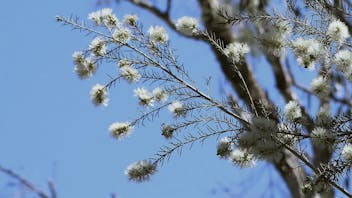
    Meet Rosalina (Melaleuca ericifolia): A Little Gem for a Stressful World

    Introduced to the Aromatherapy world for the first time only 15 years ago, Rosalina essential oil has become a quiet star.

    logo

    2026-03-27

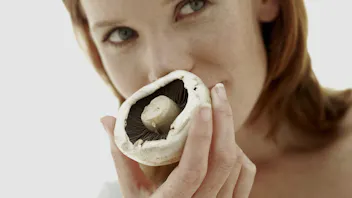
    Why You Need Mushroom in Your Perfume

    There’s a dirty little secret known to experienced perfumers: the most intriguing fragrances always contain something a little ‘off.’ Historically, formulators used animal-derived aromas like ambergris, civet, and castoreum, now mostly replaced by synthetic versions. But perfumers still rely on the funky facets in botanicals...