Solubility & Blending Suggestions

  • Dilute well and add drop by drop to your blends until the desired effect is achieved. Should be used very sparingly due to its intense aroma strength.
  • Soluble in fixed (carrier) oils and alcohol.
  • "Used in perfumery to introduce warmth and certain nuances of spicy sweetness which are often wanted in heavy …[Amber] bases and in a few floral fragrances."*
  • *Arctander, Steffen. Perfume and Flavor Materials of Natural Origin, 1960, p. 278.

    Suggested Resources

    Ginger CO2 - Organic

    Zingiber officinale Roscoe

    (4)

    SKU 390-G sizes:

    Sample 1 ml (1/30 oz)
    $3.00
    15 ml (1/2 oz)
    $19.50
    30 ml (1 oz)
    $34.00
    59.14 ml (2 oz)
    $59.75
    118.29 ml (4 oz)
    $107.00
    236.58 ml (8 oz)
    $191.50
    473.17 ml (16 oz)
    $347.00
    1 kg (2 1/5 lb)
    $681.00

    Contact us for bulk inquiries.

    Botanical NameZingiber officinale Roscoe
    Suggested UseAromatherapy, Perfumery, Cosmetics, Soapmaking, Candle Crafting
    INCI NameZingiber Officinalis (Ginger) Root Extract
    CAS Number8007-08-7
    OriginVarious
    Extraction MethodCO2 Extract
    CultivationCertified Organic
    Plant Partrhizome.
    Notemiddle.
    Aroma Familyearthy, spicy.
    Aroma ProfileRich, very warm, spicy; deeper and more complex than steam distilled Ginger.
    AppearanceDark brownish-red, transparent, somewhat viscous liquid.
    Shipping Restriction9 – Misc. Hazard

    Safety Considerations

    • None known.*
    • Dilute before using. A patch test should be performed before use for those with sensitive skin.
    • Store in a cool, dark place away from heat and light.
    • *Tisserand, Robert and Rodney Young. Essential Oil Safety, 2nd ed., 2014, p. 295.

    Ginger CO2 - Organic

    Zingiber officinale Roscoe

    (4)

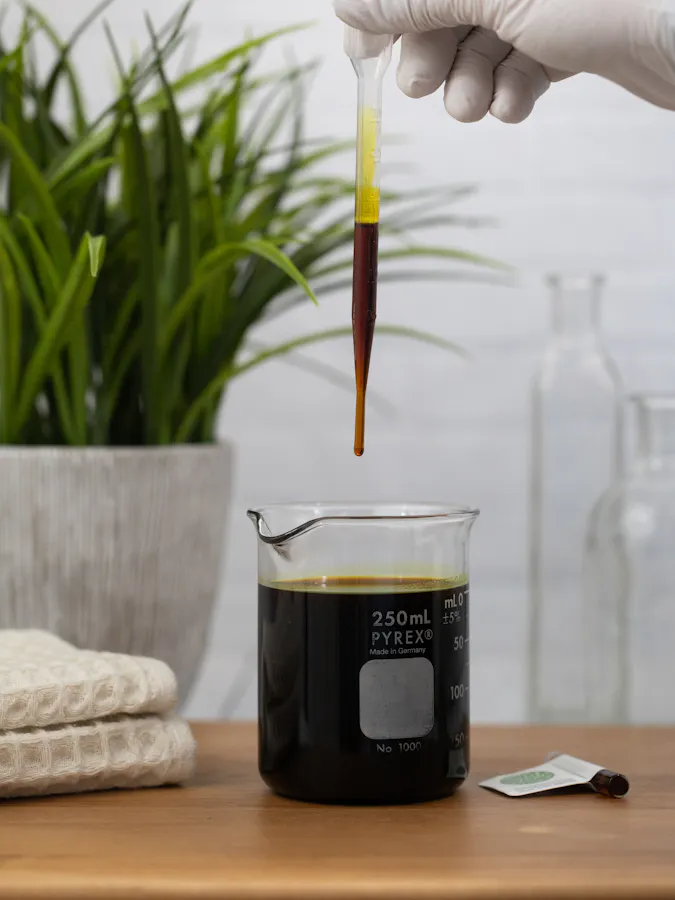
    The aroma of our organic Ginger CO2 extract is rich, very warm, spicy, deeper and more complex than the aroma of distilled Ginger yet smells just like a very fresh and very alive Ginger root. Ginger CO2 is a dark brownish-red oil and is quite strong, so it is best to use it in low percentages. We find that the CO2

    Size

    Selected size SKU:390-015 - Ginger CO2 - Organic 15 ml (1/2 oz)

    Sample 1 ml (1/30 oz)
    $3.00
    15 ml (1/2 oz)
    $19.50
    30 ml (1 oz)
    $34.00
    59.14 ml (2 oz)
    $59.75
    118.29 ml (4 oz)
    $107.00
    236.58 ml (8 oz)
    $191.50
    473.17 ml (16 oz)
    $347.00
    1 kg (2 1/5 lb)
    $681.00
    $3.00
    Details
    Solubility & Blending Suggestions
    Suggested Resources
    Safety Considerations
    Certificates of Analysis (COA)
    Documentation

    Product Overview

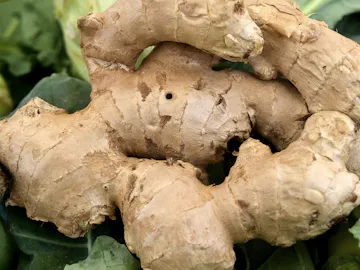
    The aroma of our organic Ginger CO2 Total Extract is rich, very warm, spicy, deeper and more complex than the aroma of distilled Ginger yet smells just like a very fresh and very alive Ginger root. Ginger CO2 is a dark brownish-red oil and is quite strong, so it is best to use it in low percentages. We find that the CO2 extracts of the spice oils are preferable in aroma to the more commonly available steam distilled oils, especially with regard to perfumery. Their energetic and vibrant aroma is truer to that of the fresh plant material.

    Zingiber officinale is native to the tropical coastal locales of India and is cultivated in most tropical and subtropical regions: Jamaica, southwest India, Indochina, Sri Lanka (formerly Ceylon), West Africa, south China, south Japan, and Central America, with smaller crops grown in Madagascar, Zanzibar, Indonesia, northwest Australia, Haiti, Dominican Republic, Cuba, and other areas of the West Indies.[1] The historical usage of Ginger is geographically and culturally vast and it is considered one of the oldest and most important aromatic plants.[2] Ginger was highly esteemed by the ancient Greeks and Romans who obtained it from Arabian traders via the Red Sea.[3]

    Despite its long and storied history, Ginger Root essential oil has only more recently been included as a must-have in the collections of aromatherapists, natural perfumers and massage therapists alike. Many find it useful in massage formulas, both before and after exercise, and in chest and foot rubs. Inhaling the invigorating aroma of Ginger is an elevating experience for the senses that is enjoyed in many ways across cultures – and particularly while traveling between them. It has been reported by ethnobotanists that women in Senegal and Fouta-Djalon weave the rhizomes of Ginger into belts with the aim of engaging the dormant senses of their husbands.[4]  

    For personal care, cosmetic and skin care formulas, the milder distilled essential oils of Ginger are recommended, rather than the more pungent and very potent Ginger CO2 extracts.[5] Ginger CO2 shines in natural perfumery blends where its deep and complex aroma brings an ambiance of warmth and intimacy.

    1 Arctander, Steffen. Perfume and Flavor Materials of Natural Origin, 1960, p. 276.

    2 Gildemeister, Eduard and Friedrich Hoffmann. Die Ätherischen Öle [The Volatile Oils], 3rd ed., Vol. I, 1931, p. 119.

    3 Guenther, Ernest. The Essential Oils, Vol. V, 1952, pp. 106-7.

    4 Valnet, M.D., Jean. The Practice of Aromatherapy, 1990, pp. 135-6.

    5 Bowles, E. Joy. The Chemistry of Aromatherapeutic Oils, 3rd ed., 2003, pp. 168-9.
    Product Overview

    The aroma of our organic Ginger CO2 Total Extract is rich, very warm, spicy, deeper and more complex than the aroma of distilled Ginger yet smells just like a very fresh and very alive Ginger root. Ginger CO2 is a dark brownish-red oil and is quite strong, so it is best to use it in low percentages. We find that the CO2 extracts of the spice oils are preferable in aroma to the more commonly available steam distilled oils, especially with regard to perfumery. Their energetic and vibrant aroma is truer to that of the fresh plant material.

    Zingiber officinale is native to the tropical coastal locales of India and is cultivated in most tropical and subtropical regions: Jamaica, southwest India, Indochina, Sri Lanka (formerly Ceylon), West Africa, south China, south Japan, and Central America, with smaller crops grown in Madagascar, Zanzibar, Indonesia, northwest Australia, Haiti, Dominican Republic, Cuba, and other areas of the West Indies.[1] The historical usage of Ginger is geographically and culturally vast and it is considered one of the oldest and most important aromatic plants.[2] Ginger was highly esteemed by the ancient Greeks and Romans who obtained it from Arabian traders via the Red Sea.[3]

    Despite its long and storied history, Ginger Root essential oil has only more recently been included as a must-have in the collections of aromatherapists, natural perfumers and massage therapists alike. Many find it useful in massage formulas, both before and after exercise, and in chest and foot rubs. Inhaling the invigorating aroma of Ginger is an elevating experience for the senses that is enjoyed in many ways across cultures – and particularly while traveling between them. It has been reported by ethnobotanists that women in Senegal and Fouta-Djalon weave the rhizomes of Ginger into belts with the aim of engaging the dormant senses of their husbands.[4]  

    For personal care, cosmetic and skin care formulas, the milder distilled essential oils of Ginger are recommended, rather than the more pungent and very potent Ginger CO2 extracts.[5] Ginger CO2 shines in natural perfumery blends where its deep and complex aroma brings an ambiance of warmth and intimacy.

    1 Arctander, Steffen. Perfume and Flavor Materials of Natural Origin, 1960, p. 276.

    2 Gildemeister, Eduard and Friedrich Hoffmann. Die Ätherischen Öle [The Volatile Oils], 3rd ed., Vol. I, 1931, p. 119.

    3 Guenther, Ernest. The Essential Oils, Vol. V, 1952, pp. 106-7.

    4 Valnet, M.D., Jean. The Practice of Aromatherapy, 1990, pp. 135-6.

    5 Bowles, E. Joy. The Chemistry of Aromatherapeutic Oils, 3rd ed., 2003, pp. 168-9.
    Blends Well With

    logo

    2025-11-07

    DIY Pumpkin Spice Essential Oil Blend

    Warm, invigorating, and comforting, the delicious aroma of pumpkin spice casts a spell on us every autumn. The familiar spices seem to stir up nostalgia, evoking memories of cozy gatherings, festive food, and seasonal activities.

    logo

    2023-01-03

    Warming Aromas for the Winter Season

    Winter is the perfect season to work with warming aromas to enliven and revitalize mind, body, and spirit. 

    logo

    2026-03-27

    Why You Need Mushroom in Your Perfume

    There’s a dirty little secret known to experienced perfumers: the most intriguing fragrances always contain something a little ‘off.’ Historically, formulators used animal-derived aromas like ambergris, civet, and castoreum, now mostly replaced by synthetic versions. But perfumers still rely on the funky facets in botanicals...